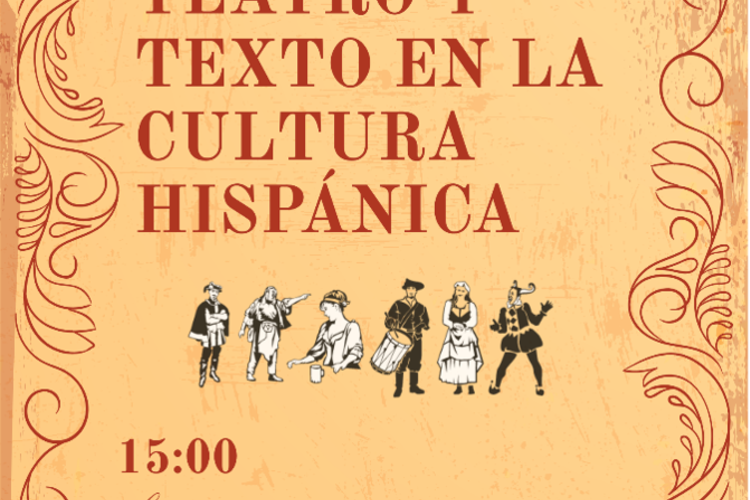
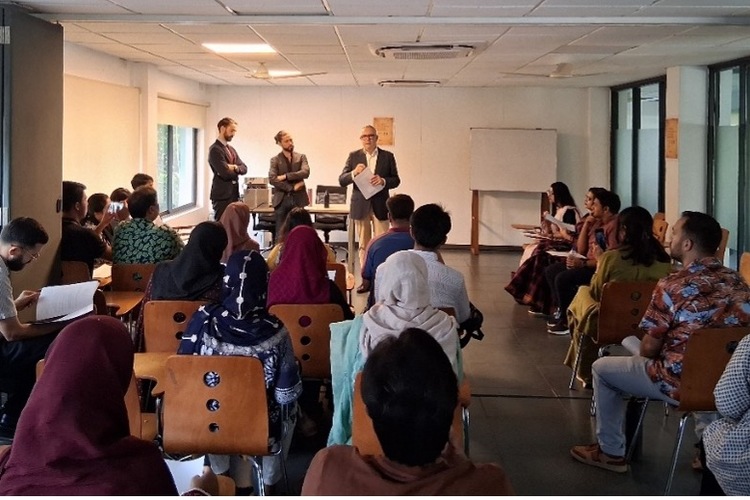
On 10 October 2026, took place in Dhaka the event Theatre and Text in Hispanic Culture. This academic and performance-based initiative, led by Adrián J. Sáez and Daniel Migueláñez, offered an overview of the history of Spanish literature, from the Middle Ages to the present day, through a selection of poetic, narrative and dramatic texts representative of different periods and literary traditions.
On 10 October 2026, took place in Dhaka the event Theatre and Text in Hispanic Culture. This academic and performance-based initiative offered an overview of the history of Spanish literature, from the Middle Ages to the present day, through a selection of poetic, narrative and dramatic texts representative of different periods and literary traditions.
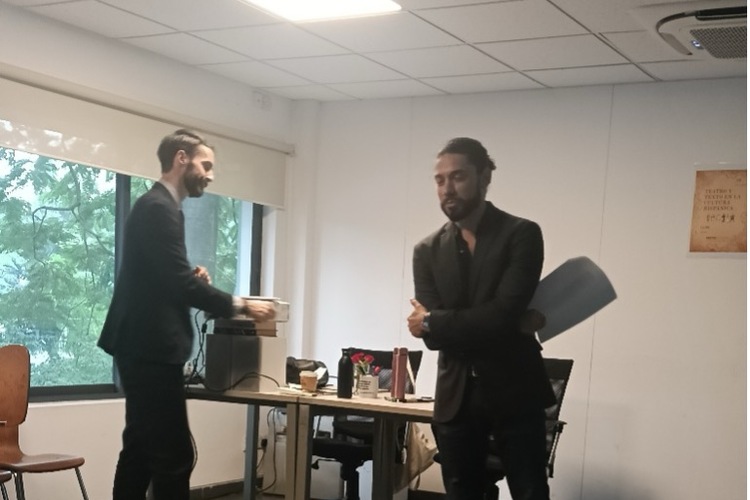
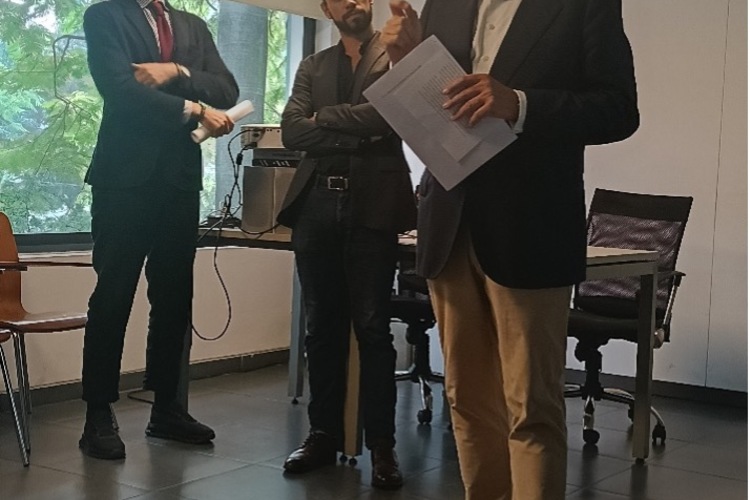
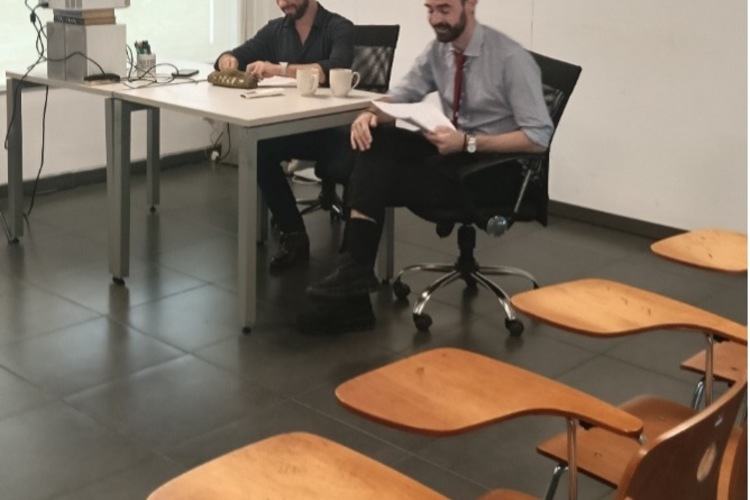
The event was led by Daniel Migueláñez, actor, writer, theatre director and professor of acting and elocution, and Adrián J. Sáez, Professor of Spanish Literature at Ca’ Foscari University of Venice and a specialist in Golden Age theatre. They approached the Spanish literary tradition from complementary perspectives, combining philological knowledge with performance and theatrical expression.
The event brought together students and former students of the Chair, as well as members of its teaching team: Maleeha Hafiz, Sergio Rodríguez Marín, Alexandre González Vila, Mirza Wasfi Jabber and Fabián Domínguez Silva. Also in attendance were the Chair's Director, Eugenia Conde Noguerol; its Co-Director, Santiago Fernández Mosquera; and the Chair's Coordinator in Dhaka, Amparo Porta Rivas.
The programme combined Adrián J. Sáez's explanations and historical-literary contextualisation with the performed readings and stage interpretations of the texts by Daniel Migueláñez. From a philological perspective, the overview explored the historical evolution of literary genres, changes in the Spanish language and the stylistic features characteristic of different literary traditions. It also examined the relationship between literary texts and the historical and cultural contexts in which they were produced and received.
From another perspective, the interpretation of the texts provided an opportunity to explore their oral dimension, highlighting how voice, rhythm, intonation and expressive techniques contribute to the construction and communication of textual meaning. In this way, the event offered an approach to Spanish literature that brought together philological analysis and artistic experience.
10/10/26
Gallery